Land for Sale – An opportunity for a community buy out!

The Glenmidge Burn Project is an Unincorporated Community Association focussed on the ecology of land along the Glenmidge Burn, part of which is in the Keir CC area. We have an open membership of 40+, we carry out Phase 1 Baseline surveys, identifying habitats and sharing data with SWSEIC. We present open citizen science events and work with other environmental organisations, Glasgow University, Unesco Biosphere etc.

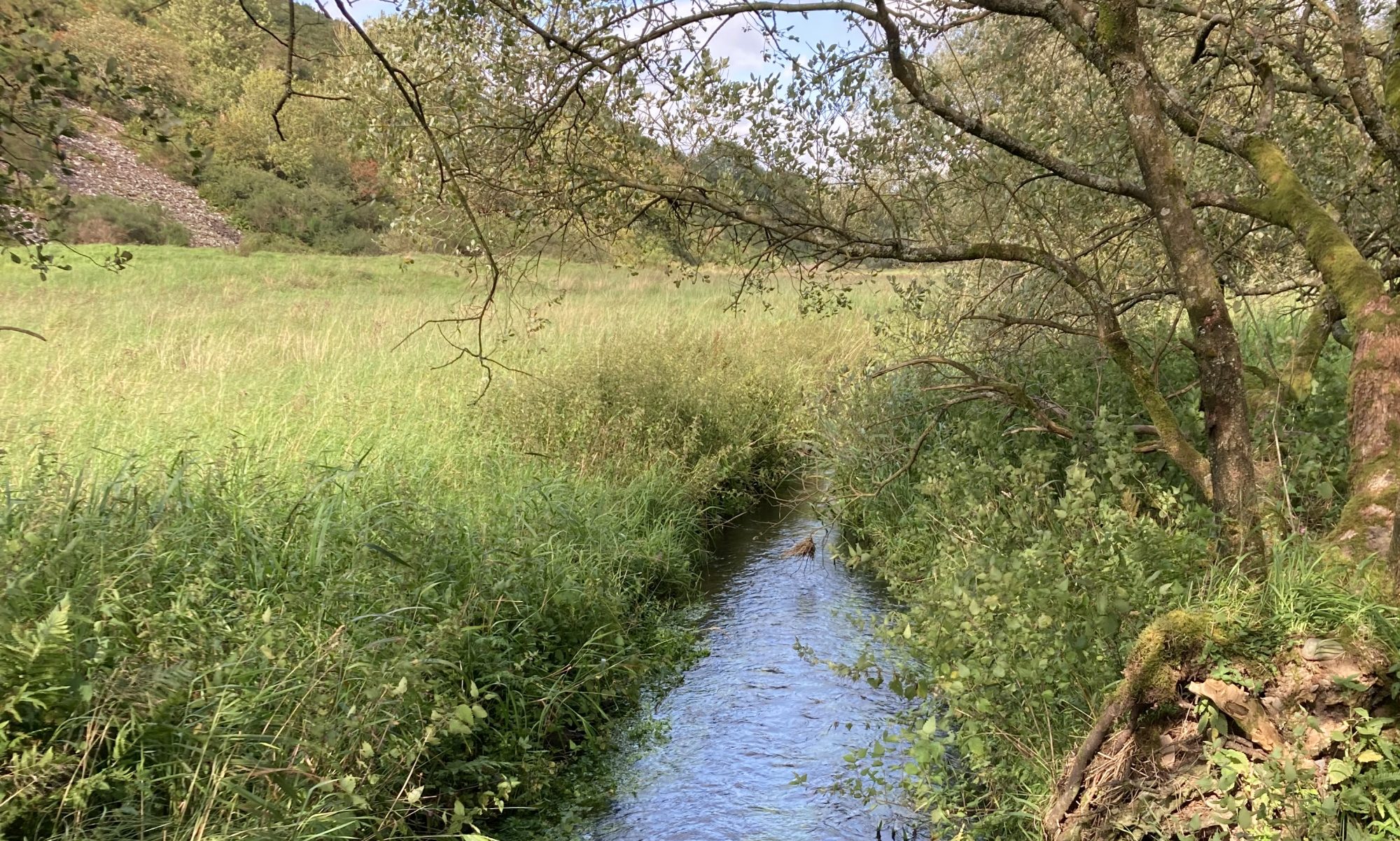
Last week, an area of land we have just started surveying, immediately upstream of the village of Glenmidge, was put up for sale.

https://www.cdrural.co.uk/property/land-at-hillhead-hillhead-farm-dumfries-dg2-0ts

Sale of this land is an environmental risk but is also a huge opportunity. It is poor land for farming (LFA) but it contains diverse and very interesting habitats in which there will be at-risk species. Depending on who buys it, it could be built on, it could be added to a shooting beat, it could be planted with Sitka, or it could simply be bought by an investment fund. It is also attractive to absentee buyers which could exclude the community and the project from it to a greater or lesser extend. 

The Glenmidge Burn Project is prepared to lead a community purchase to secure it for the community, give it an environmental role in an intensively farmed area and a sustainable role as a community amenity.

You will see that there are two lots. The larger, Lot 2, is of more environmental interest but Lot 1 provides space for making the project more self-sustaining which in turn offers the prospect of employment

We would like to host a community meeting to gauge support, listen to ideas and explore all avenues for raising the funds in the time available.

Suggestions for the land as a community asset may include combinations of:

  • environmental protection,
  • public access and engagement in its maintenance and development.
  • site of detailed scientific research,
  • re-establish a wetland which may have a beneficial impact on flooding,
  • creating a broadleaf woodland,
  • various forms of sustainable business; tree nursery, community growing
  • young peoplesโ€™ engagement, education and training in the field.
  • a community/project/environmental centre

Please get in touch with your ideas, to show support or to let us know what you think of the idea!

Public drop in sessions are being held to gather your ideas and opinions so come along to share your thoughts and learn more.

Keir village hall: Mon 4th Sep at 6pm – 7pm

Auldgirth village hall: Tue 5th Sep at 6pm – 7pm

The Flying Pig, Dunscore: Thu 7th Sep, 6pm – 7pm

Community land ownership only works with local support so show up to show yours. It can happen!
Mark’s recipe for a successful BioBlitz: moth trapping, kick sampling and a large scoop of fascination

By Mark Zygadlo

The absence of rain over the last month has left the Glenmidge Burn pretty low but strangely enough, even though the catchment is quite small and the burn is short, I have never known it dry up altogether. One theory is that the sandy, gravelly, drumlined area above the Lag is an enormous underground reservoir which feeds the Glenmidge to the east and the Birkshaw Burn to the west. Itโ€™s a theory which will be tested in the coming weeks if this drought continues.ย 

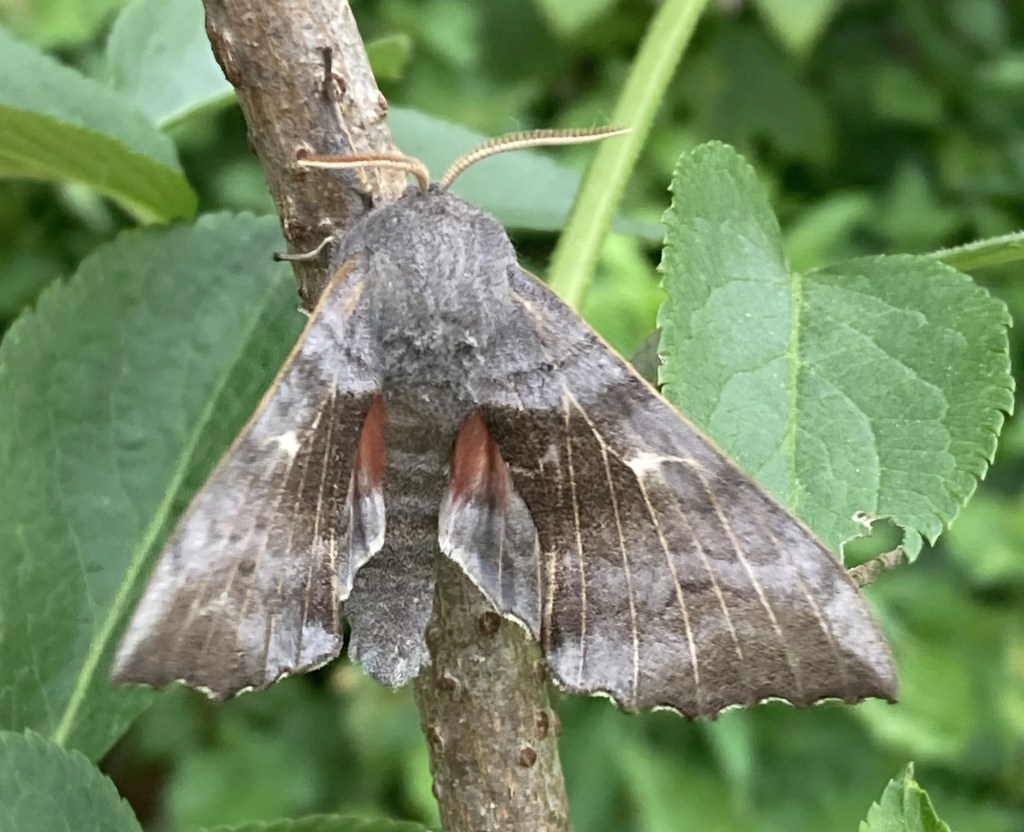
Image of a poplar hawkmoth by Antoine Lemaire

At the beginning of this dry spell, a memorable Saturday morning was spent at Hillend. Despite the unfortunate name, BioBlitz, the twenty-odd folk who attended gained a spellbinding insight into the secret life of our environment. Malcolm, an entomologist from the Galloway and South Ayrshire UNESCO Biosphere, and I had set a pair of moth traps the evening before. We huddled around as he opened them revealing a dazzling variety of exquisite moths, armies of beetles and a host of other beautiful nocturnal insects. Maybugs dozily crawled about our hands, opening and closing their fern-like antennae. A carrion beetle had half a dozen peach-coloured mites carried on its back, keeping its body clean and which, apparently, guide it towards its next meal. 

Image of kick sampling by Antoine Lemaire

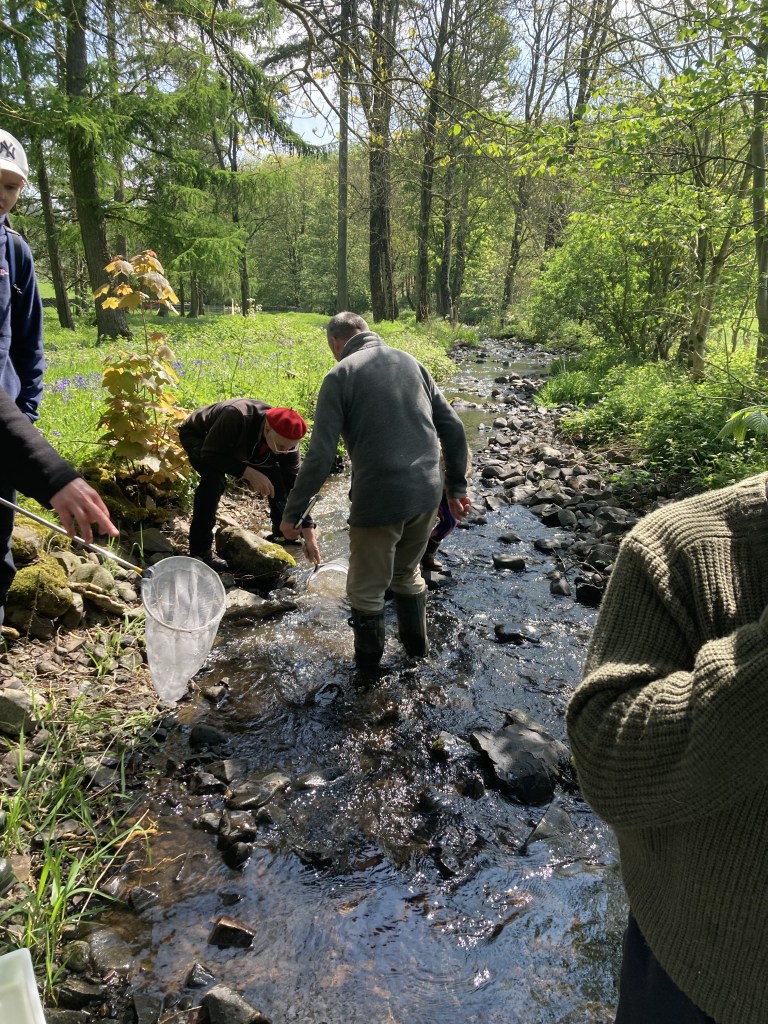
Further downstream, Malcolm demonstrated โ€˜kick samplingโ€™ which, as the name suggests, disturbs the bed of the burn and catches all the beasties in a net so you can analyse a sample of the burn creatures. In a shallow tray of water another fascinating collection: mayfly nymphs worthy of a sci-fi movie, worms so fine youโ€™d mistake them for hair, caddisfly nymphs with architectural defences, a strange worm making convulsive S shapes to move about. Citing their latin names from memory, Malcolm detailed the peculiar wonder of their metamorphoses, which I still struggle to believe. The journey these organisms take from juvenile to adult is truly bizarre. 

In our group, there were perhaps six examples of  juveniles of the homo sapien species, which will develop into adults by a simple increase in size over their lifespan. Yet, here we all are, up to our wellie tops in the burn, crouching over sample trays, sharing magnifying lenses and an incredulous amazement at the brilliant and strange variety of the world right under our noses.

โ€“ โ€“ โ€“ โ€“ โ€“ โ€“ โ€“ โ€“ โ€“ โ€“ โ€“ โ€“ โ€“ โ€“ โ€“ โ€“ โ€“ โ€“ โ€“ โ€“ โ€“ โ€“ โ€“ โ€“ โ€“ โ€“ โ€“ โ€“ โ€“

If interested in contributing to the blog, please send an email to glenmidgeburnproject@gmail.com.