
By Mark Zygadlo
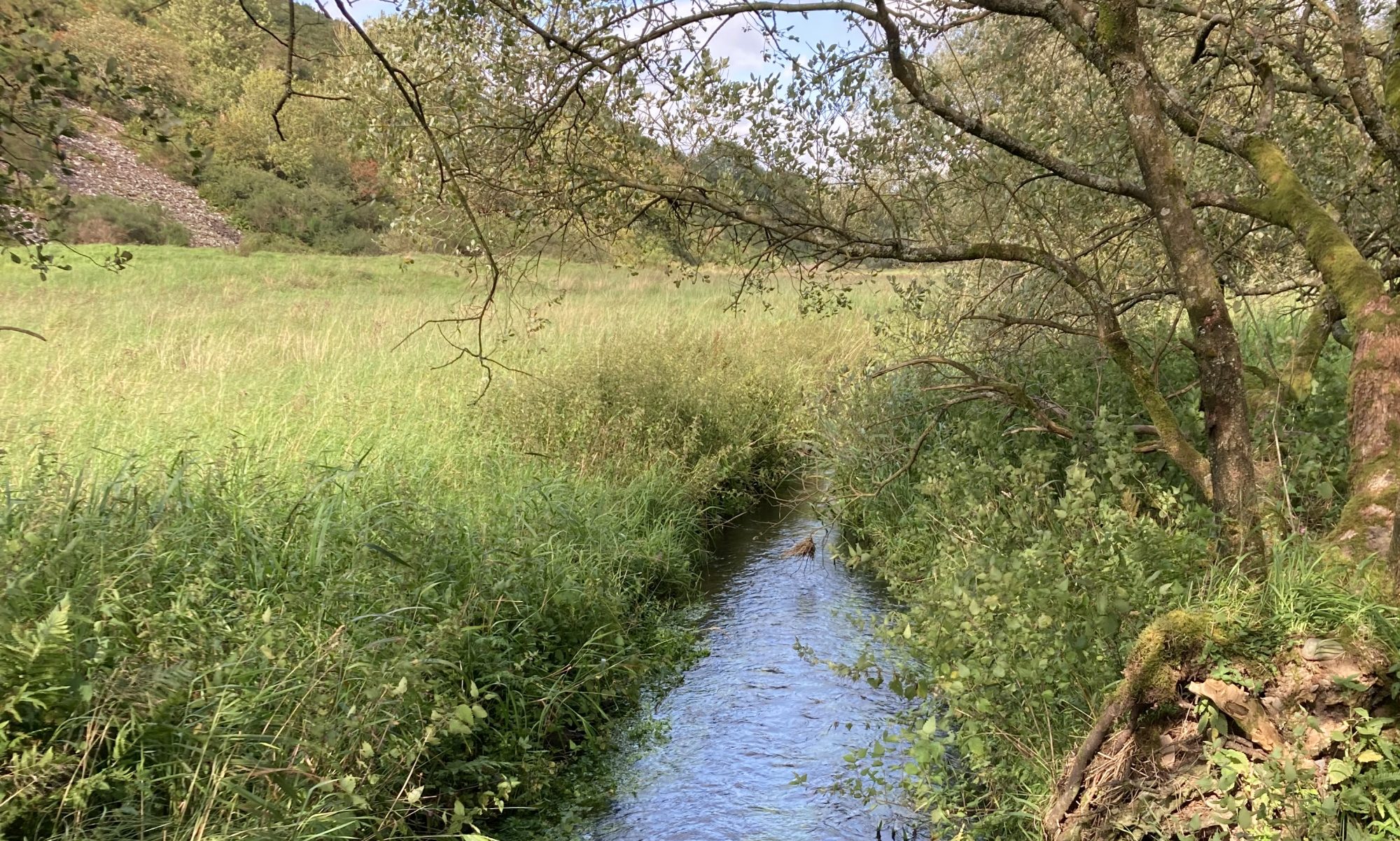
The absence of rain over the last month has left the Glenmidge Burn pretty low but strangely enough, even though the catchment is quite small and the burn is short, I have never known it dry up altogether. One theory is that the sandy, gravelly, drumlined area above the Lag is an enormous underground reservoir which feeds the Glenmidge to the east and the Birkshaw Burn to the west. It’s a theory which will be tested in the coming weeks if this drought continues.
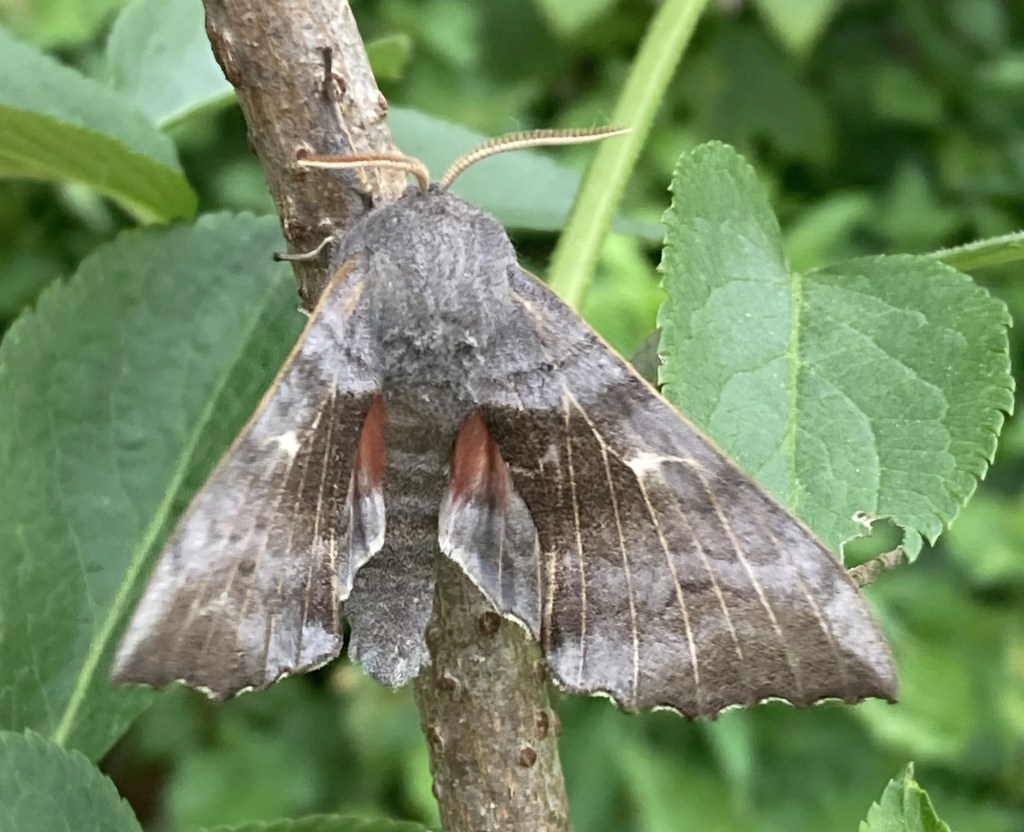
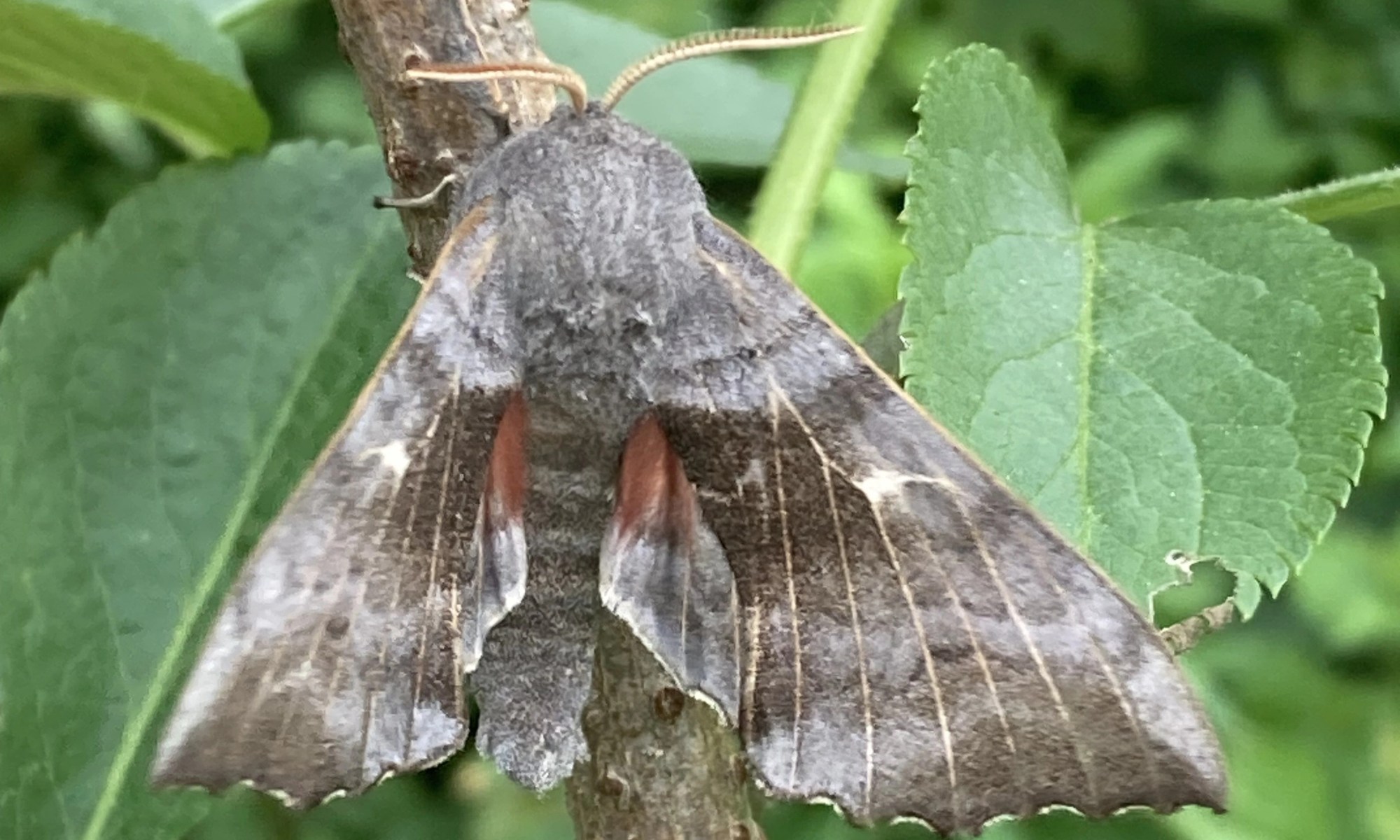
At the beginning of this dry spell, a memorable Saturday morning was spent at Hillend. Despite the unfortunate name, BioBlitz, the twenty-odd folk who attended gained a spellbinding insight into the secret life of our environment. Malcolm, an entomologist from the Galloway and South Ayrshire UNESCO Biosphere, and I had set a pair of moth traps the evening before. We huddled around as he opened them revealing a dazzling variety of exquisite moths, armies of beetles and a host of other beautiful nocturnal insects. Maybugs dozily crawled about our hands, opening and closing their fern-like antennae. A carrion beetle had half a dozen peach-coloured mites carried on its back, keeping its body clean and which, apparently, guide it towards its next meal.
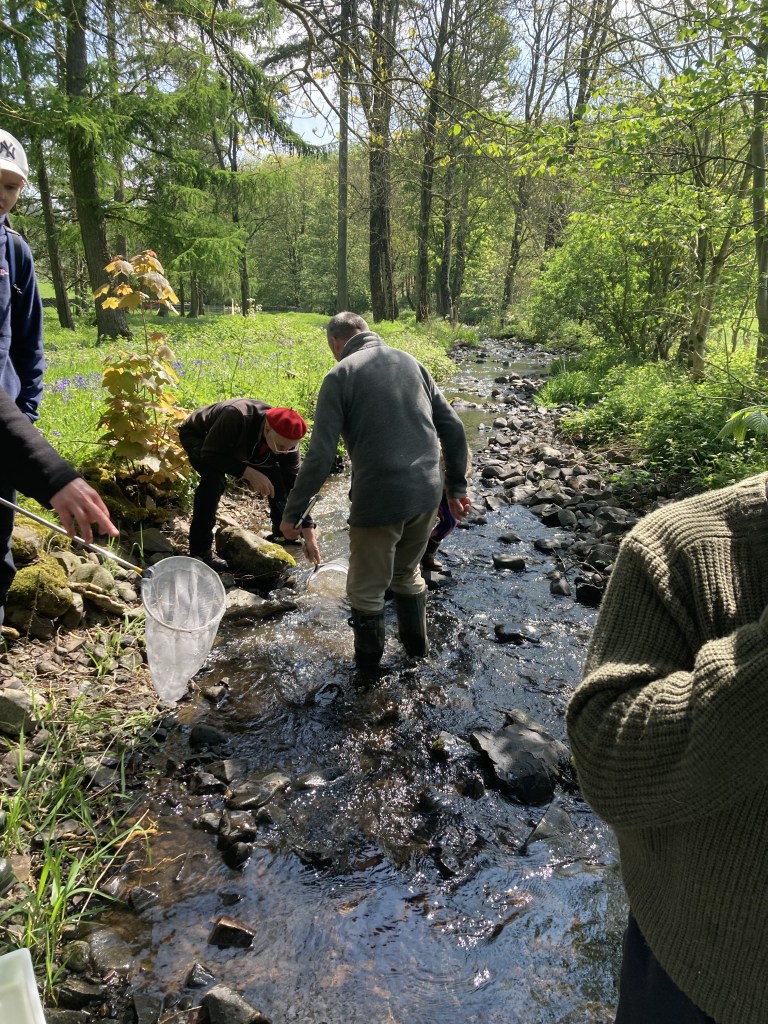
Further downstream, Malcolm demonstrated ‘kick sampling’ which, as the name suggests, disturbs the bed of the burn and catches all the beasties in a net so you can analyse a sample of the burn creatures. In a shallow tray of water another fascinating collection: mayfly nymphs worthy of a sci-fi movie, worms so fine you’d mistake them for hair, caddisfly nymphs with architectural defences, a strange worm making convulsive S shapes to move about. Citing their latin names from memory, Malcolm detailed the peculiar wonder of their metamorphoses, which I still struggle to believe. The journey these organisms take from juvenile to adult is truly bizarre.
In our group, there were perhaps six examples of juveniles of the homo sapien species, which will develop into adults by a simple increase in size over their lifespan. Yet, here we all are, up to our wellie tops in the burn, crouching over sample trays, sharing magnifying lenses and an incredulous amazement at the brilliant and strange variety of the world right under our noses.
– – – – – – – – – – – – – – – – – – – – – – – – – – – – –
If interested in contributing to the blog, please send an email to glenmidgeburnproject@gmail.com.
 The Glenmidge Burn Project